Nigel Shafran began his career during the 1990s, by working predominantly on editorial shoots like fashion and architecture. However since then, Shafran has become better known for his domestic images around the house and in supermarkets etc.
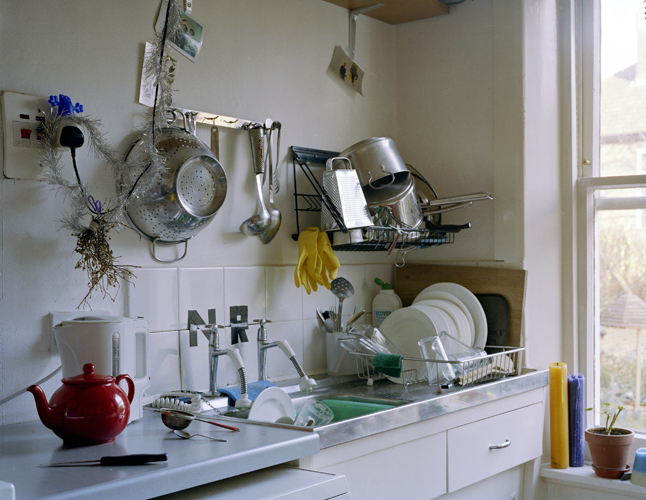
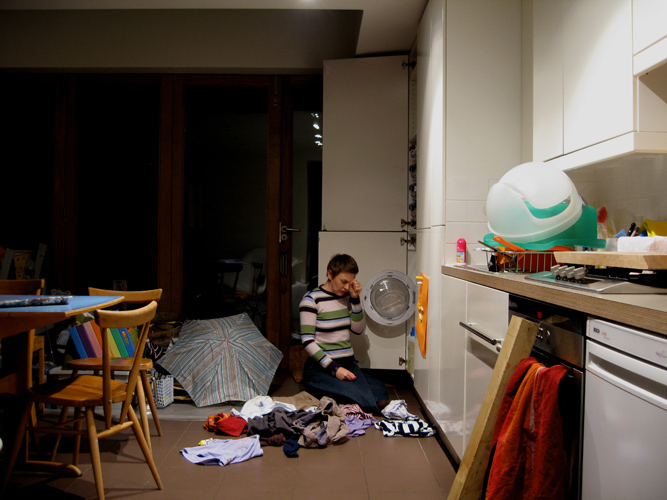
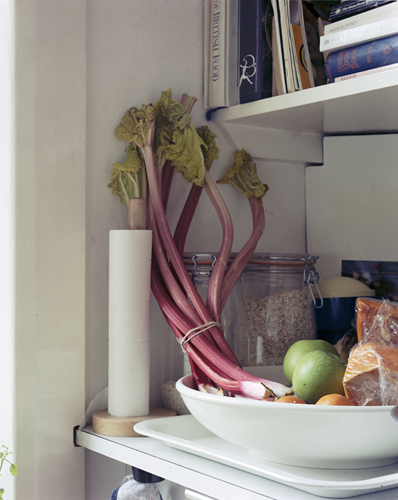
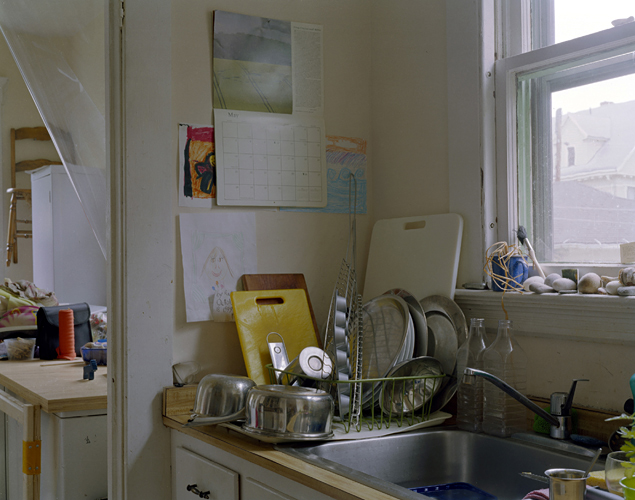
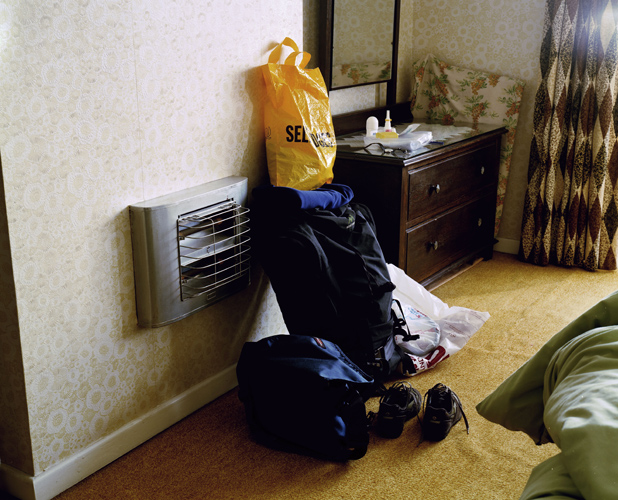
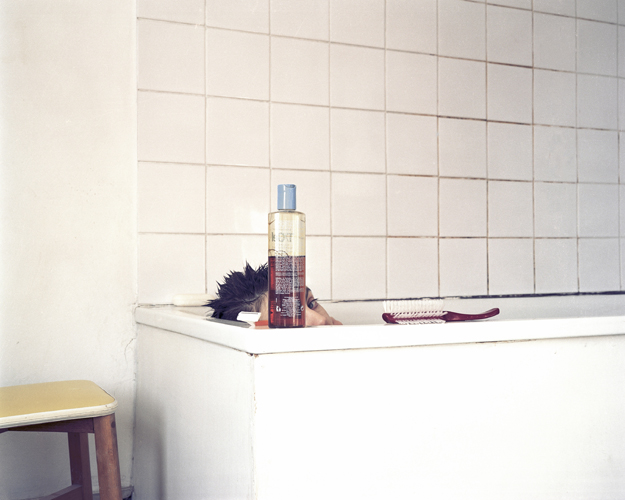
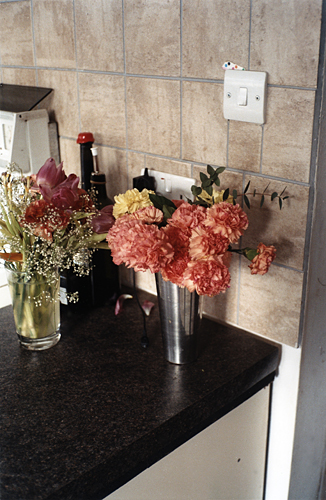
Shafran is one of my favourite photographers because of his ability to make the everyday seem so extraordinary. He often photographs around his own home, giving the most simple subjects (like wilting flowers or piles of washing up or cluttered desks) as much beauty as any constructed still life image. I relied heavily on his work for my first year project Grandad’s Shed. This is a style I would like to continue with throughout this project. Shafran’s use of light in a lot of his work is something I’m particularly inspired by. This is a feature of my work that I want to really focus on. I think light is a really powerful feature that helps to make even the ordinary look beautiful.
Some of my favourite projects by Shafran are Flowers for ____ [2004-2008], Ruthbook [1992-2004], Washing Up [2000], Dad’s Office [1997-1999] and Ruth on the Phone [1995-2004]. I’ve collected a few of my favourites [right] to look back over during this project. I like these projects because they have a largely domesticated feel to them. They represent parts of Shafran’s life that are clearly very everyday things, like washing up and mess around the house, but at the same time they are hugely personal and meaningful. They are parts of life that perhaps are easily forgotten about, yet I can imagine that in years to come, looking back at these photos for Shafran could be hugely comforting and nostalgic. They are examples of how the monotony of everyday life is actually what makes our families and our lives and our personalities so unique and important to us.
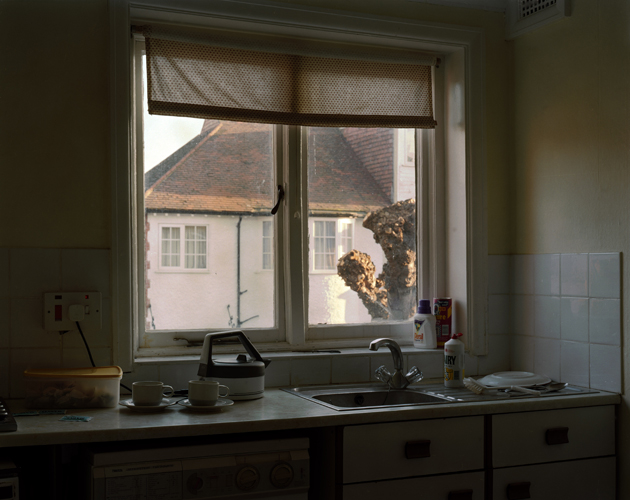
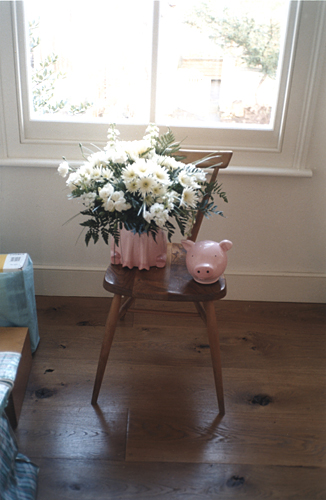
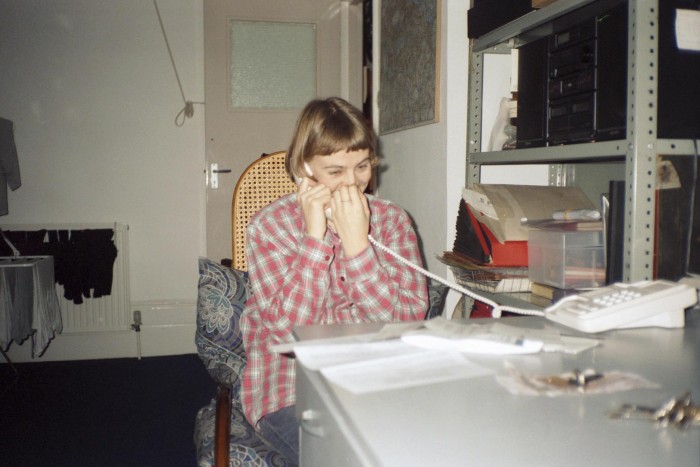
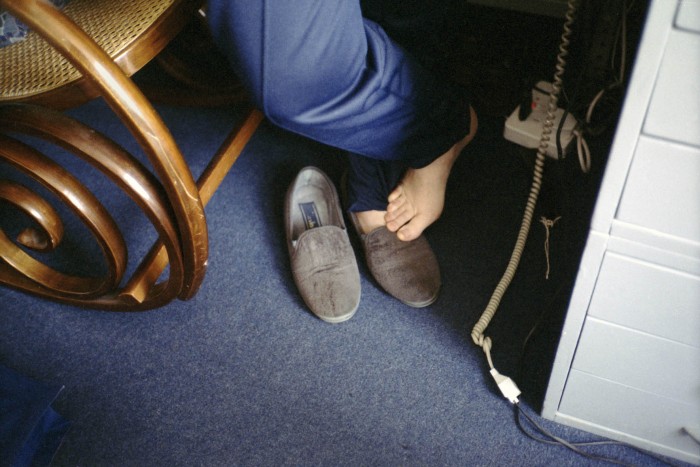
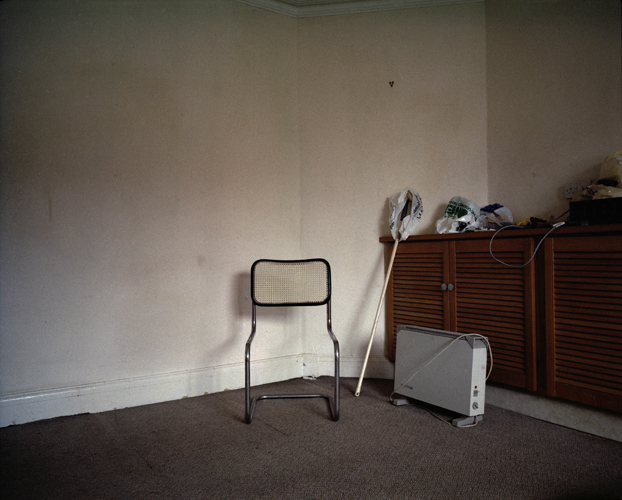
I’ve looked at a lot of articles and interviews about Shafran over the years since discovering his work. Recently, I looked at an article by Liz Jobey, titled Photographer Nigel Shafran: Domestic Harmony. The article talks about Shafran’s work and how his career developed from editorial to a more personal style of work. The beginning of the article particularly caught my attention, it reads: ‘Sometimes, perhaps on a sunny morning, the light falls on an object, or a room, or a person in a way that momentarily reveals its unexpected beauty – unexpected in that it might be a simple thing like a cup, or a tree, or a pile of books. That moment of revelation lifts the spirits as we take pleasure from the arrangement of ordinary things.’ I love the idea that the beauty of ordinary things is ‘unexpected’. I think in a way, that’s what makes it even more beautiful. Taking a picture of a sunset or a landscape or a still life bowl of fruit, it’s easy to imagine it will be beautiful. Yet, transforming something into something beautiful is where I think the true skill of a photographer lies. The article goes on to discuss how staged photography and digitalisation have ‘reality a subject of concern among photographers’, however. I want to bring this back.
The article also mentions that Shafran often makes books out of his series of images. This is something I’m considering doing with my own work. I think this element to Shafran’s work brings an even more domesticated feel to his work. Whilst his books are shared with an audience, it’s almost as if they are more like family photo albums, showing the everyday, human elements of his life and family, something that is in fact hugely intimate and personal.
https://www.theguardian.com/artanddesign/2008/oct/23/nigel-shafran
 hollywatsonphotography.photo.blog